
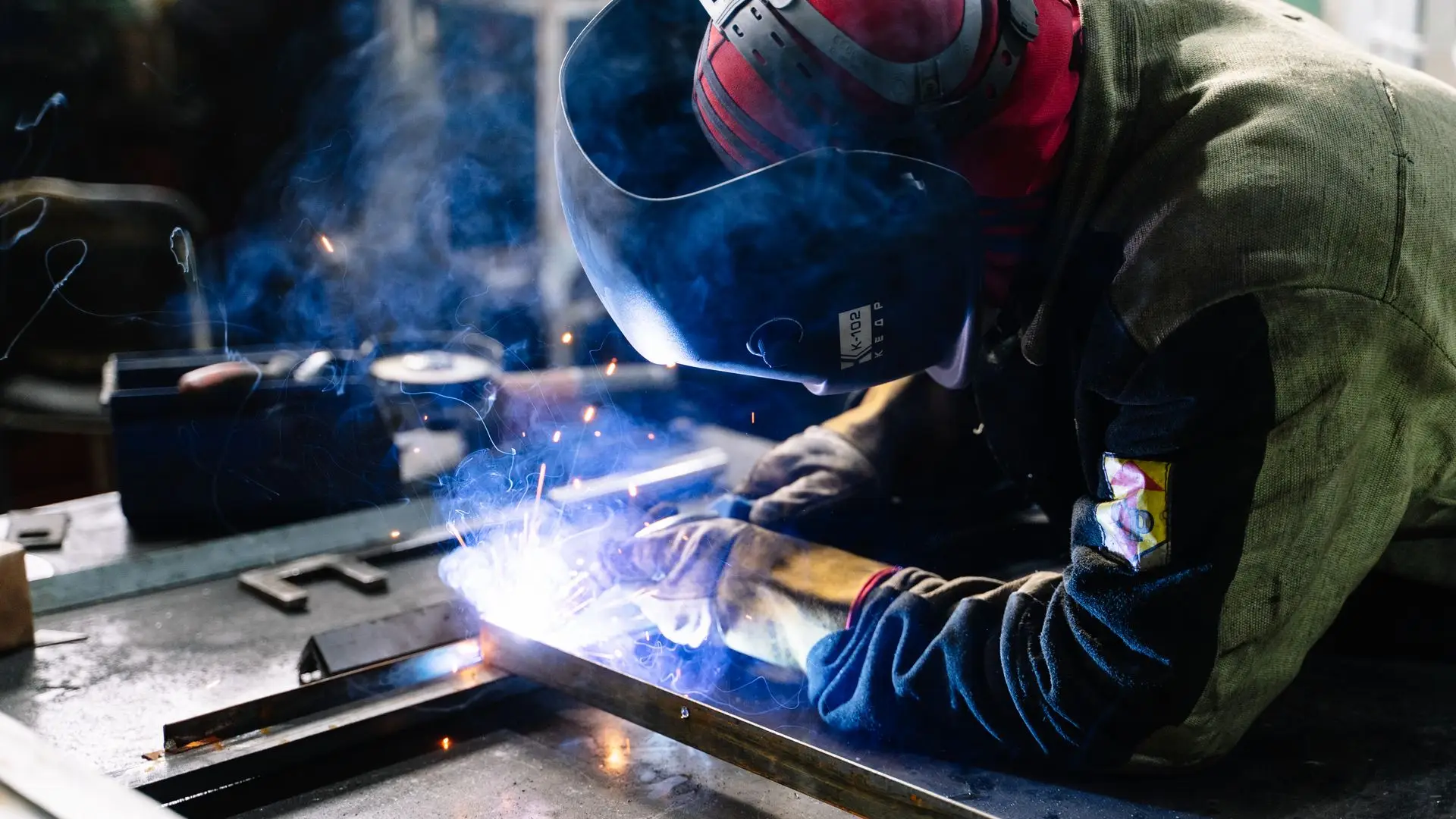
EN 1090 Certification
For companies manufacturing structural steel and aluminium components, EN 1090 compliance is an essential requirement for supplying products into the European construction market. ARC Management Systems supports fabricators, engineering companies, and metalwork manufacturers throughout Ireland with practical guidance, documentation support, and technical expertise — from initial gap assessment through Factory Production Control implementation to CE Marking.
Key Features & Components
Core elements of our EN 1090 certification service.
EN 1090 gap assessment
Factory Production Control (FPC) development
Welding quality management
Documentation support
Inspection and testing controls
CE Marking and Declaration of Performance
Why Choose Our Consultancy
Discover the advantages of working with Ireland's leading EN 1090 certification specialists.
Practical Implementation: Support focused on practical implementation rather than unnecessary paperwork, aligned with how your workshop actually operates
Clear Guidance: Straightforward direction through certification requirements, execution classes, and notified body expectations at every stage
Tailored Support: Systems and documentation designed around your specific manufacturing processes, products, and fabrication activities
End-to-End Assistance: Continuous support from initial gap assessment through certification audit and CE Marking approval
Team Ownership: We help your team understand and maintain compliance themselves, rather than depending on consultants long-term
Irish Manufacturing Focus: Business-focused EN 1090 support designed specifically for Irish fabrication and engineering companies
Benefits of EN 1090 Implementation
Discover how EN 1090 certification can transform your Irish business operations and market position.
European Market Access: Legally supply CE Marked structural steel and aluminium products for construction projects across Europe and meet contractor procurement requirements
Customer Confidence: Independent evidence that products are manufactured consistently, materials are traceable, and welding is managed correctly — a real differentiator when tendering
Improved Quality Control: Clear production procedures, defined inspection points, and better control of fabrication activities reduce variation in product quality
Reduced Rework and Waste: Structured controls identify fabrication errors, welding defects, and incorrect material usage before products reach customers, cutting costly rework
Material Traceability: Effective systems for identifying and controlling materials throughout production, so every structural component can be traced back to its source materials
Stronger Welding Controls: Standardised welding procedures, improved welder competency management, and clear responsibilities for welding supervision reduce welding-related defects
Tendering and Business Growth: Qualify for more tenders, work with larger contractors, and expand into new market sectors that require certified suppliers
Commitment to Quality and Safety: Demonstrates your company produces safe, reliable structural products under controlled manufacturing processes to recognised European standards
Steps to Implement EN 1090
Our proven 5-step methodology for successful EN 1090 certification in Irish businesses.
Gap Assessment & Scope
A detailed review of your products, manufacturing processes, welding activities, quality systems, and existing documentation against EN 1090 requirements. We then define the scope of products and activities covered — including the materials manufactured, product types, and the applicable execution class (EXC1 to EXC4) — and provide a clear implementation roadmap.
Roles & Responsibilities
EN 1090 requires clearly defined responsibilities for controlling production. We help establish management responsibility, production supervision, quality control, and inspection roles — including appointing a competent Responsible Welding Coordinator (RWC) to oversee welding activities where required.
Build the FPC System
Development and implementation of your documented Factory Production Control system: document control, purchasing and supplier controls, material identification and traceability, defined manufacturing methods, work instructions, inspection points, and production monitoring — evidence that you consistently manufacture conforming products.
Welding, Inspection & Non-Conformance Controls
Establishing Welding Procedure Specifications (WPS), procedure qualification records (WPQR), welder qualifications, welding coordination, and welding inspection. We also develop incoming, in-process, and final inspection controls, plus non-conformance and corrective action processes to catch and resolve issues.
Train, Audit, Certify & Maintain
Employee training on procedures, traceability, and record completion, followed by an internal audit and readiness review. We support you through the notified body certification assessment and CE Marking approval, then help maintain compliance through ongoing controls and surveillance audits.
Key EN 1090 Concepts
The essential terminology behind EN 1090 compliance, explained.
Execution Classes (EXC1–EXC4)
Execution Classes define the technical and quality requirements that apply to a fabricated product. EXC1 covers simple, lower-risk structures; EXC2 covers most commercial, residential, and industrial buildings; EXC3 covers complex structures with higher safety requirements; and EXC4 covers structures with very high consequences of failure, such as major bridges. The class is normally specified by the structural designer and determines the level of control, documentation, and competency required.
Factory Production Control (FPC)
Factory Production Control is the documented management system required by EN 1090 to ensure products are manufactured consistently and meet specified quality requirements. It covers purchasing, material traceability, production controls, welding management, inspection and testing, calibration, non-conformance management, and internal audits — and is the primary area assessed during certification.
Responsible Welding Coordinator (RWC)
Many companies implementing EN 1090 must appoint a Responsible Welding Coordinator to oversee welding activities. The RWC ensures welding procedures are followed, welders are appropriately qualified, welding quality is maintained, and inspection requirements are met. The level of technical knowledge required depends on the execution class and complexity of fabrication.
EN 1090 Documentation Requirements
A structured documentation system is central to EN 1090 compliance. Explore what each area involves.
Factory Production Control (FPC) Manual
- Company scope and applicable EN 1090 requirements
- Organisational structure and responsibilities
- Description of manufacturing processes
- Control of materials, suppliers, and production
- Inspection, testing, and traceability arrangements
- Non-conformance, internal audit, and document control requirements
Quality Procedures & Work Instructions
- Document control procedure
- Purchasing and supplier approval procedure
- Material receipt and verification procedure
- Production, fabrication, and welding control procedures
- Inspection, testing, calibration, and maintenance procedures
- Control of non-conforming products and corrective actions
Welding Documentation
- Welding Procedure Specifications (WPS)
- Procedure Qualification Records (WPQR / PQR)
- Welder qualification and renewal records
- Welding coordination records and responsibilities
- Welding inspection records, including visual inspection and NDT reports
Material Control & Traceability
- Material certificates (e.g. 3.1 certificates)
- Supplier approval and incoming inspection records
- Material identification and heat number traceability records
- Cutting lists and fabrication records
- Stock control records
Inspection & Test Records
- Incoming inspection records verifying delivered materials and certificates
- In-process inspection records: dimensional checks, welding inspections, assembly verification
- Final inspection records: product conformity, dimensions, surface finish, customer requirements
Non-Conformance & Corrective Action
- Non-conformance reports (NCRs)
- Root cause analysis records
- Corrective and preventive action plans
- Disposition decisions (repair, rework, reject)
Calibration & Maintenance
- Calibration certificates and schedules for measuring equipment
- Equipment maintenance logs
- Verification, repair, and adjustment records
Training & Competency
- Employee training records
- Welding qualifications and certifications
- Competency assessments
- Induction, refresher, and role-specific training records
Internal Audit
- Internal audit schedules and checklists
- Audit reports, findings, and observations
- Corrective action and follow-up verification records
Declaration of Performance & CE Marking
- Declaration of Performance (DoP)
- CE Marking documentation
- Product identification records and technical product files
- Conformity declarations
Document Control System
- Document approval and revision control
- Version tracking and distribution control
- Obsolete document removal
- Record retention policies
Does Your Product Need EN 1090?
Not every fabricated steel or aluminium product falls within the scope of EN 1090. Our guide explains which products typically require certification, which are generally outside scope, and how to assess borderline cases.
Check Which Products Are CoveredEN 1090 in the Irish Context
Understanding how EN 1090 applies specifically to Irish businesses and regulations.
Relevant Regulations
- Construction Products Regulation (EU) No 305/2011
- CE Marking requirements under EN 1090-1
- Harmonised European standards for structural steel and aluminium
- Irish Building Regulations and construction procurement requirements
Key Irish Sectors
- Structural steel fabrication
- Construction and civil engineering
- Engineering and mechanical contractors
- Architectural metalwork manufacturing
Certification Bodies
- NSAI (National Standards Authority of Ireland)
- EU notified bodies approved for EN 1090-1
- Accredited Factory Production Control (FPC) certification bodies
EN 1090 Frequently Asked Questions
Answers to the questions Irish businesses ask most about EN 1090.
What is EN 1090?
Is EN 1090 mandatory in Ireland?
Which companies need EN 1090 certification?
What is Factory Production Control (FPC)?
What is an Execution Class (EXC)?
How long does it take to implement EN 1090?
Do we need ISO 9001 before implementing EN 1090?
Get Your EN 1090 Roadmap
Contact us to discuss your EN 1090 needs. Get a custom roadmap, timeline, and cost breakdown from our experienced consultants.
Get a Free Quote